Books about schools
US schools assign 51 books about schools, sourced from state ELA standards, AP/IB syllabi, and Common Core exemplar lists. Each title links to its grade range, Lexile, and the specific curricula that cite it.
- Books on file
- 51
- Grade span
- K–12
schools books by grade
Kindergarten (13) · 1st grade (13) · 2nd grade (16) · 3rd grade (28) · 4th grade (27) · 5th grade (27) · 6th grade (26) · 7th grade (17) · 8th grade (17) · 9th grade (6) · 10th grade (6) · 11th grade (6) · 12th grade (6)
schools canon
Reading the whole schools reading list? Kids who struggle with the print versions often finish the assigned books by listening.
Listen free on Audiblestarts instantlyNew members only · many assigned titles are included with the membership. As an Amazon Associate, ReadingList earns from qualifying purchases and membership trials at no extra cost to you.
Try it on audio — free. Kids who struggle with the print versions often finish the assigned books by listening.
Listen free on Audiblestarts instantlyNew members only · many assigned titles are included with the membership. As an Amazon Associate, ReadingList earns from qualifying purchases and membership trials at no extra cost to you.
 7 X 9 = TroubleClaudia Mills
 A Fine, Fine SchoolSharon Creech
 AfterFrancine Prose
 All's Faire in Middle SchoolVictoria Jamieson
 Call Me HopeGretchen Olson
 Class ClownJohanna Hurwitz
 Cowgirl Kate and CocoaErica Silverman
 CrushSvetlana Chmakova
 Daphne's BookMary Downing Hahn
 Double Trouble in Walla WallaAndrew Clements
 Each KindnessJacqueline Woodson
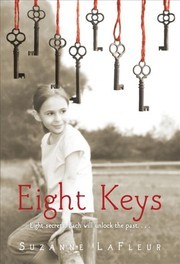 Eight KeysSuzanne M. LaFleur
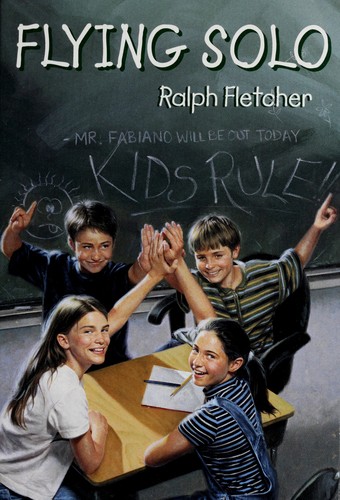 Flying SoloRalph J. Fletcher
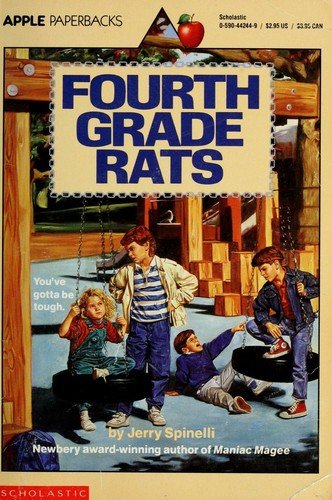 Fourth Grade RatsJerry Spinelli
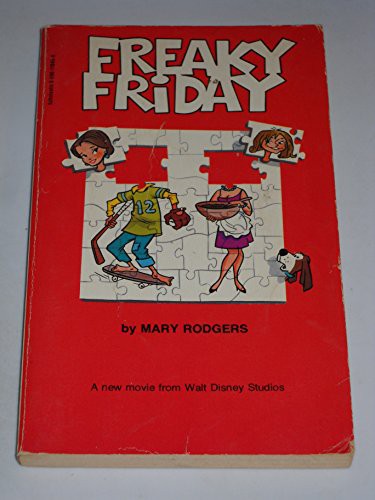 Freaky FridayMary Rodgers
 Fuzzy MudLouis Sachar
 Herbie's TroublesCarol Chapman
 If You Come SoftlyJacqueline Woodson
 Joey Pigza Swallowed the KeyJack Gantos
 Junie B. Jones and Her Big Fat MouthBarbara Park
 Just Another Ordinary DayRod Clement
 Lilly's Purple Plastic PurseKevin Henkes
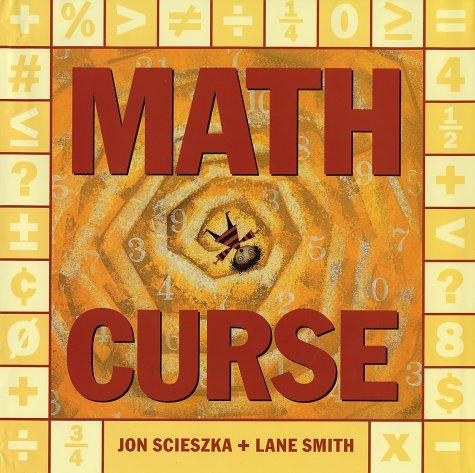 Math CurseJon Scieszka
 Miss Nelson Has a Field DayHarry Allard
Show all 51 titles
As an Amazon Associate we earn from qualifying purchases.
- Miss Nelson Is Back · Harry Allard
- Mr. Lincoln's Way · Patricia Polacco
- Mr. Tanen's Ties · Maryann Cocca-Leffler
- My Horrible Secret · Stephen Roos
- Never Spit on Your Shoes · Denys Cazet
- No More Dead Dogs · Gordon Korman
- Plague Year · Stephanie S. Tolan
- Ramona's World · Beverly Cleary
- Real Friends · Shannon Hale
- Rotten Teeth · Laura Simms
- Sixth Grade Can Really Kill You · Barthe DeClements
- Spying on Miss Müller · Eve Bunting
- Staying Fat for Sarah Byrnes · Chris Crutcher
- Strider · Beverly Cleary
- Substitute Teacher Plans · Johnson, Doug
- Tears of A Tiger · Sharon M. Draper
- The Cat Ate My Gymsuit · Paula Danziger
- The Dunderheads · Paul Fleischman
- The Gingerbread Man Loose in the School · Laura Murray
- The Girl Who Could Fly · Victoria Forester
- The Great Pet Escape · Victoria Jamieson
- The Perfect Score · Rob Buyea
- The Sixth Grade Nickname Game · Gordon Korman
- The Toll-Bridge Troll · Patricia Rae Wolff
- There's a Girl in My Hammerlock · Jerry Spinelli
- Truly Devious · Maureen Johnson
- Word Eater · Mary Amato
How US schools teach schools
schools appears in 51 titles across the US-school assigned-reading canon ReadingList tracks. The theme spans grades K through 12 and a Lexile range of the standard Lexile bands — meaning teachers can pick a schools text appropriate to most reading-level cohorts. Where a topic like schools appears in standards documents, it is typically tied to specific reading-skill anchors: Common Core's "analyze how complex characters develop" (RL.7.3 and parallels), the AP English Literature "central idea and supporting details" task, and IB Diploma Language A's literary-analysis criteria all reward students who can trace a theme like schools through plot, character, and figurative language across multiple texts.
Across grade bands, teachers approach schools differently. In elementary classrooms (grades K-5), schools is usually introduced through short, illustrated stories with concrete characters and a clear emotional arc — the theme is named explicitly and the reader is asked to recognize it. In middle school (grades 6-8), schools is layered with ambiguity: characters confront the theme imperfectly, and students are asked to evaluate the choices rather than simply identify them. By high school (grades 9-12), AP and IB courses treat schools as one of several interrelated motifs — students are expected to compare how two or more authors handle schools differently, often across literary periods. This page's 51-title corpus reflects that progression.
Authors who treat schools extensively in the US-school canon include Beverly Cleary, Gordon Korman, Harry Allard. Beverly Cleary's work in particular is widely cited in state ELA framework documents as an exemplar of how a schools arc can be sustained across a full novel. For a deeper read, follow the linked author pages below — each lists which other themes that author treats, what grades assign their work, and which states or curricula cite each title.
Common questions
- How many books about schools does US-school reading list include?
- 51 books that explore schools appear across the curricula and state ELA standards tracked by ReadingList. Each is cited from a state department of education, AP/IB syllabus, Common Core exemplar list, or peer-reviewed source.
- What grades read books about schools?
- Books exploring schools are assigned across grades K through 12 in US schools tracked by ReadingList. Specific grade placements are listed on each book's detail page.
▸Embed this list on your site
Copy + paste this snippet into any school newsletter, classroom blog, library site, or homeschool resource page. The embed shows the top 12 titles and links back to the full list. Updates automatically when ReadingList’s data changes.
<iframe src="https://readinglist.school/embed/theme/schools" width="100%" height="540" style="border:1px solid rgba(0,0,0,0.1);border-radius:6px;max-width:640px" loading="lazy" title="Books about schools — ReadingList.school"></iframe>Preview: /embed/theme/schools · License: CC BY 4.0 (please credit “ReadingList.school”).