Books about greed
US schools assign 3 books about greed, sourced from state ELA standards, AP/IB syllabi, and Common Core exemplar lists. Each title links to its grade range, Lexile, and the specific curricula that cite it.
- Books on file
- 3
- Lexile range
- 1010L–1010L
- Grade span
- K–9
greed canon
Reading the whole greed reading list? Kids who struggle with the print versions often finish the assigned books by listening.
Listen free on Audiblestarts instantlyNew members only · many assigned titles are included with the membership. As an Amazon Associate, ReadingList earns from qualifying purchases and membership trials at no extra cost to you.
Try it on audio — free. Kids who struggle with the print versions often finish the assigned books by listening.
Listen free on Audiblestarts instantlyNew members only · many assigned titles are included with the membership. As an Amazon Associate, ReadingList earns from qualifying purchases and membership trials at no extra cost to you.


How US schools teach greed
greed appears in 3 titles across the US-school assigned-reading canon ReadingList tracks. The theme spans grades K through 9 and a Lexile range of 1010L to 1010L — meaning teachers can pick a greed text appropriate to most reading-level cohorts. Where a topic like greed appears in standards documents, it is typically tied to specific reading-skill anchors: Common Core's "analyze how complex characters develop" (RL.7.3 and parallels), the AP English Literature "central idea and supporting details" task, and IB Diploma Language A's literary-analysis criteria all reward students who can trace a theme like greed through plot, character, and figurative language across multiple texts.
Across grade bands, teachers approach greed differently. In elementary classrooms (grades K-5), greed is usually introduced through short, illustrated stories with concrete characters and a clear emotional arc — the theme is named explicitly and the reader is asked to recognize it. In middle school (grades 6-8), greed is layered with ambiguity: characters confront the theme imperfectly, and students are asked to evaluate the choices rather than simply identify them. By high school (grades 9-12), AP and IB courses treat greed as one of several interrelated motifs — students are expected to compare how two or more authors handle greed differently, often across literary periods. This page's 3-title corpus reflects that progression.
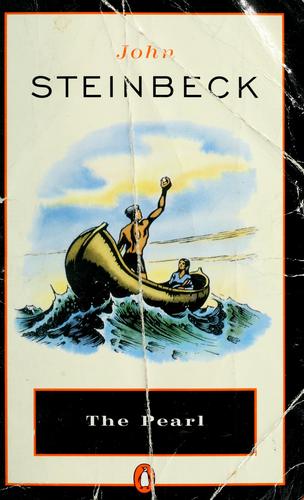
Authors who treat greed extensively in the US-school canon include Janet Stevens, John Steinbeck. Janet Stevens's work in particular is widely cited in state ELA framework documents as an exemplar of how a greed arc can be sustained across a full novel. For a deeper read, follow the linked author pages below — each lists which other themes that author treats, what grades assign their work, and which states or curricula cite each title.
Common questions
- How many books about greed does US-school reading list include?
- 3 books that explore greed appear across the curricula and state ELA standards tracked by ReadingList. Each is cited from a state department of education, AP/IB syllabus, Common Core exemplar list, or peer-reviewed source.
- What's the Lexile range for greed books?
- Lexile measures for greed titles in this corpus range from 1010L to 1010L. Books without a published Lexile (poetry, drama, graphic novels) are not included in this range.
- What grades read books about greed?
- Books exploring greed are assigned across grades K through 9 in US schools tracked by ReadingList. Specific grade placements are listed on each book's detail page.
▸Embed this list on your site
Copy + paste this snippet into any school newsletter, classroom blog, library site, or homeschool resource page. The embed shows the top 12 titles and links back to the full list. Updates automatically when ReadingList’s data changes.
<iframe src="https://readinglist.school/embed/theme/greed" width="100%" height="540" style="border:1px solid rgba(0,0,0,0.1);border-radius:6px;max-width:640px" loading="lazy" title="Books about greed — ReadingList.school"></iframe>Preview: /embed/theme/greed · License: CC BY 4.0 (please credit “ReadingList.school”).