400L–499L books assigned in US schools
US schools assign 9 books in the 400L–499L Lexile band, typically read by students in grades 2–3. Lexile measures the prose complexity of each text — not who should read it. Strong readers comfortably read 100–200L above their measured level; struggling readers benefit from 100L below.
- Books on file
- 9
- Observed range
- 410L–490L
- Grade span
- K–8
- Band window
- 400L–499L
Themes at 400L–499L
growing up (5) · friendship (4) · family (3) · humor (3) · imagination (2) · animals
Authors at 400L–499L
Cece Bell · Dr. Seuss · Judy Blume · Kate DiCamillo · Raina Telgemeier · Victoria Jamieson
400L–499L canon
Try it on audio — free. Kids who struggle with the print versions often finish the assigned books by listening.
Listen free on Audiblestarts instantlyNew members only · many assigned titles are included with the membership. As an Amazon Associate, ReadingList earns from qualifying purchases and membership trials at no extra cost to you.
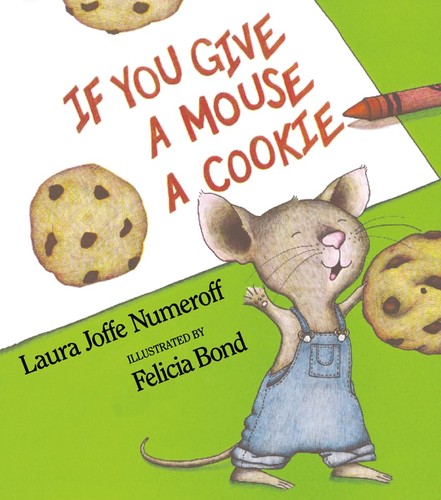 If You Give a Mouse a CookieLaura Numeroff · 410L
 SmileRaina Telgemeier · 410L
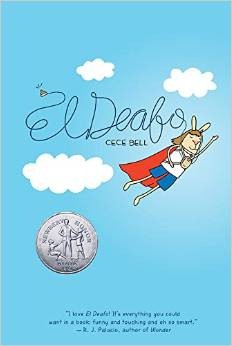 El DeafoCece Bell · 420L
 The Cat in the HatDr. Seuss · 430L
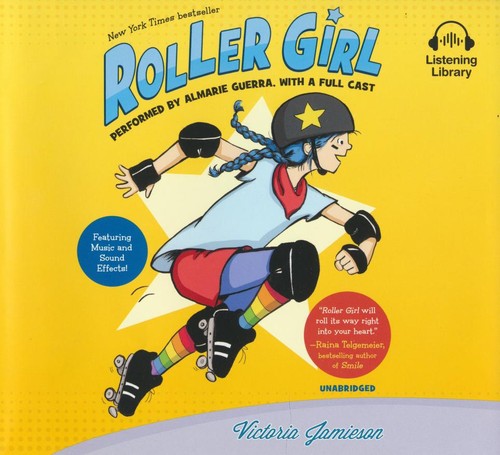 Roller GirlVictoria Jamieson · 440L
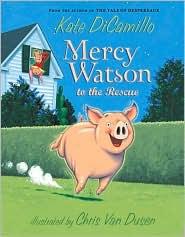 Mercy Watson to the RescueKate DiCamillo · 450L
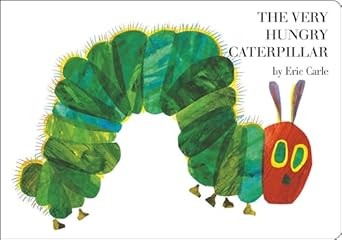 The Very Hungry CaterpillarEric Carle · 460L
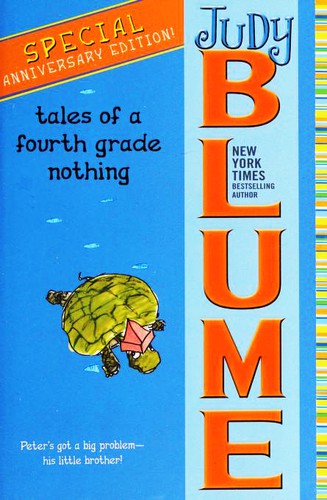 Tales of a Fourth Grade NothingJudy Blume · 470L
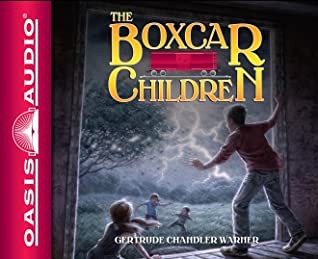 The Boxcar ChildrenGertrude Chandler Warner · 490L
Common questions
- What does 400L–499L mean on the Lexile scale?
- The Lexile Framework rates text complexity on a numeric scale. A 400L–499L book has prose complexity that typically read by students in grades 2–3. The score predicts comprehension difficulty for a typical reader at that level — higher Lexile = denser sentences, more sophisticated vocabulary.
- How many 400L–499L books does this list cover?
- 9 books measured between 410L and 490L appear across the curricula and state ELA standards tracked by ReadingList. Each one is cited from a state department of education, AP/IB syllabus, or peer-reviewed source.
- What grades assign 400L–499L books?
- Books in the 400L–499L band are assigned across grades K through 8 in US schools tracked by ReadingList. Lexile is a complexity measure, not a grade limit — a strong reader in grade 4 may comfortably read books a 2-grade-band higher.
▸Embed this list on your site
Copy + paste this snippet into any school newsletter, classroom blog, library site, or homeschool resource page. The embed shows the top 12 titles and links back to the full list. Updates automatically when ReadingList’s data changes.
<iframe src="https://readinglist.school/embed/lexile/400-499l" width="100%" height="540" style="border:1px solid rgba(0,0,0,0.1);border-radius:6px;max-width:640px" loading="lazy" title="400L–499L reading list — ReadingList.school"></iframe>Preview: /embed/lexile/400-499l · License: CC BY 4.0 (please credit “ReadingList.school”).