Books written in the 1960s, assigned in US schools
US schools assign 62 books written in the 1960s. Civil Rights, coming-of-age, and the canonical American social-novel decade; To Kill a Mockingbird, A Wrinkle in Time, The Outsiders.
Most assigned from the 1960s: the top 6. Swipe for more.
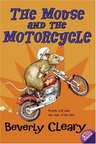
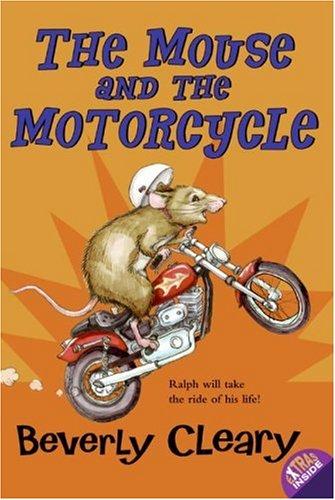 The Mouse and the MotorcycleGet it on Amazon →
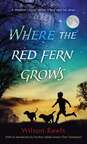
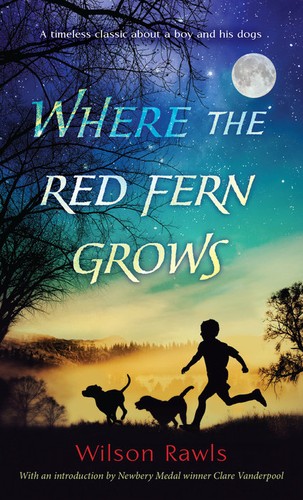 Where the Red Fern GrowsGet it on Amazon →
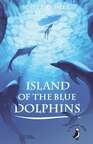
 Island of the Blue DolphinsGet it on Amazon →
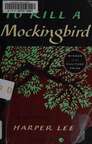
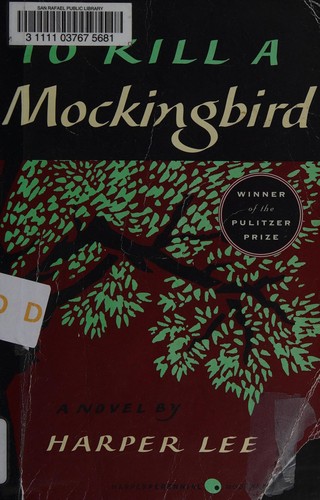 To Kill a MockingbirdGet it on Amazon →
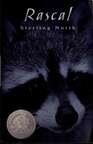
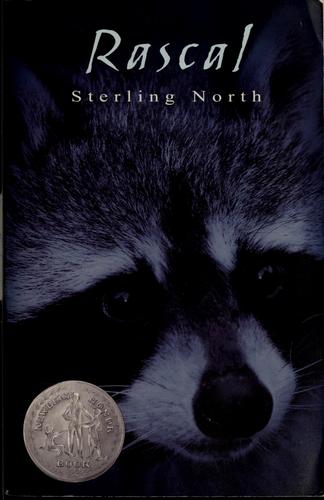 RascalGet it on Amazon →
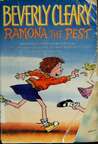
 Ramona the PestGet it on Amazon →
Affiliate link: as an Amazon Associate, ReadingList earns from qualifying purchases at no extra cost to you.
1960s books on school reading lists, by school level
Elementary school · grades K–5
- The Mouse and the MotorcycleSee price on Amazon1965 · on 5 lists
- Where the Red Fern GrowsSee price on Amazon1961 · on 5 lists
- Island of the Blue DolphinsSee price on Amazon1960 · on 5 lists
- Ramona the PestSee price on Amazon1968 · on 4 lists
Middle school · grades 6–8
- To Kill a MockingbirdSee price on Amazon1960 · on 5 lists
- RascalSee price on Amazon1963 · on 4 lists
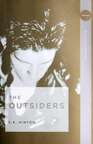
- The OutsidersSee price on Amazon1967 · on 4 lists
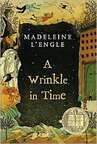
- A Wrinkle in TimeSee price on Amazon1962 · on 3 lists
High school · grades 9–12
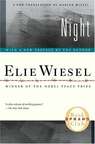
- NightSee price on Amazon1960 · on 3 lists
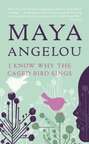
- I Know Why the Caged Bird SingsSee price on Amazon1969 · on 3 lists
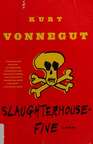
- Slaughterhouse-FiveSee price on Amazon1969 · on 3 lists
Ranked by how many school reading lists assign each book today; the level is where schools place it. Every title links to its grades, Lexile and sources. All 62 books ↓
Amazon links are affiliate links: as an Amazon Associate, ReadingList earns from qualifying purchases at no extra cost to you.
- Books on file
- 62
- Lexile range
- 210L–1070L
- Grade span
- K–12
- Decade window
- 1960–1969
The 1960s canon
Try it on audio — free. Kids who struggle with the print versions often finish the assigned books by listening.
Listen on Audiblestarts instantlyMany assigned titles are included with an Audible membership; offers vary by account. As an Amazon Associate, ReadingList earns from qualifying purchases and membership trials at no extra cost to you.
- The Mouse and the MotorcycleBeverly Cleary · 860L
- Where the Red Fern GrowsWilson Rawls · 700L
- Island of the Blue DolphinsScott O'Dell · 1000L
- To Kill a MockingbirdHarper Lee · 870L
- RascalSterling North
- Ramona the PestBeverly Cleary · 750L
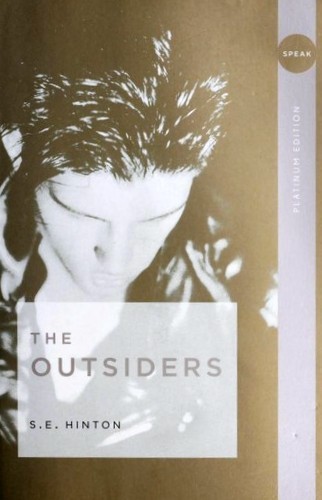 The OutsidersS.E. Hinton · 750L
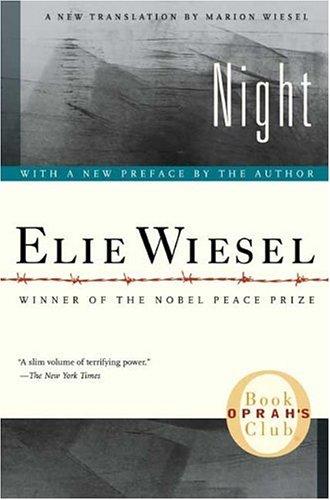 NightElie Wiesel · 590L
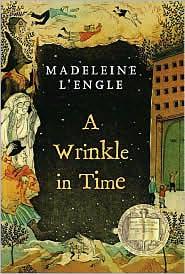 A Wrinkle in TimeMadeleine L'Engle · 740L
 From the Mixed-Up Files of Mrs. Basil E. FrankweilerE.L. Konigsburg · 700L
 SounderWilliam H. Armstrong
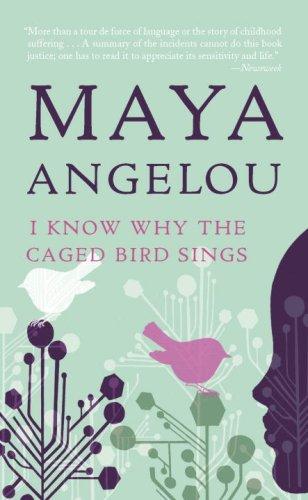 I Know Why the Caged Bird SingsMaya Angelou · 1070L
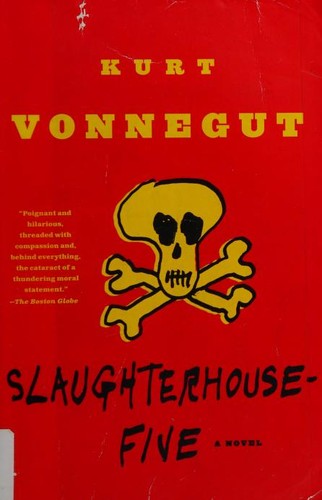 Slaughterhouse-FiveKurt Vonnegut · 850L
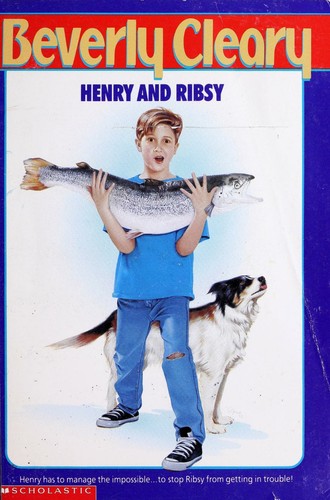 RibsyBeverly Cleary
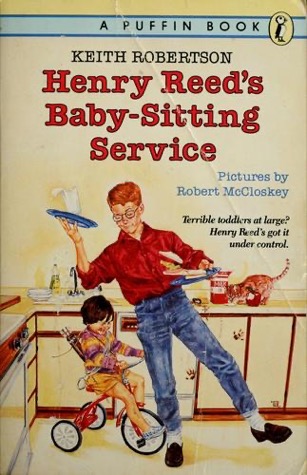 Henry Reed's Babysitting ServiceKeith Robertson
 The Snowy DayEzra Jack Keats · 500L
 Sylvester and the Magic PebbleWilliam Steig
 Where the Wild Things AreMaurice Sendak · 740L
 The Cricket in Times SquareGeorge Selden · 780L
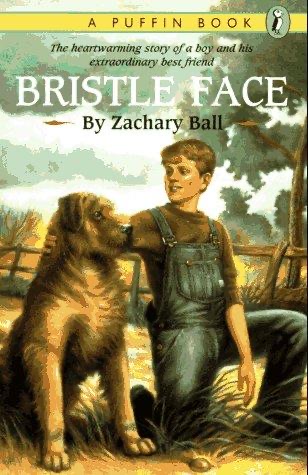 Bristle FaceZachary Ball
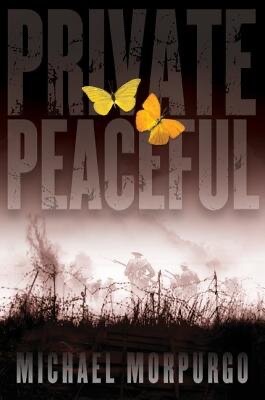 Private PeacefulMichael Morpurgo
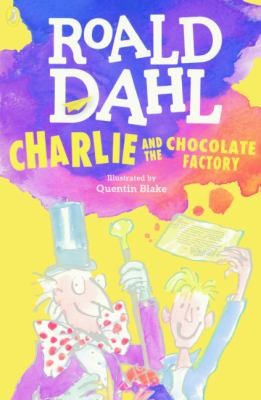 Charlie and the Chocolate FactoryRoald Dahl · 810L
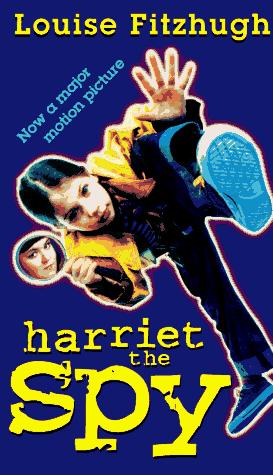 Harriet the SpyLouise Fitzhugh
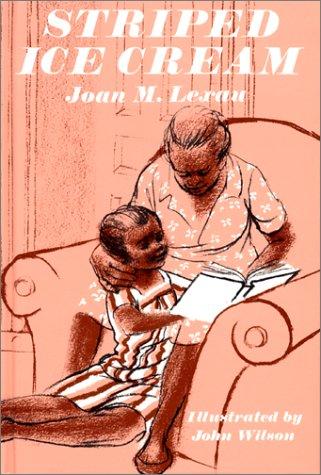 Striped Ice CreamJoan M. Lexau
Show all 62 books (tap a title to open its page)
As an Amazon Associate we earn from qualifying purchases.
- Are You My Mother?
- Baboushka and the Three Kings
- Green Eggs and Ham
- Put Me in the Zoo
- James and the Giant Peach
- Once a Mouse...
- The Bronze Bow
- The Phantom Tollbooth
- Who's Afraid of Virginia Woolf?
- Amelia Bedelia
- It's Like This Cat
- Flat Stanley
- May I Bring a Friend?
- Shadow of a Bull
- The Giving Tree
- Always Room for One More
- Ariel
- I, Juan de Pareja
- Flowers for Algernon
- Sam, Bangs & Moonshine
- Up a Road Slowly
- A Boy, a Dog and a Frog
- Black Ships Before Troy
- Drummer Hoff
- The Little Fishes
- A Wizard of Earthsea
- Corduroy
- The Adventures of Paddy Pork
- The Fool of the World and the Flying Ship
- The High King
- The Spring Rider
- Tikki Tikki Tembo
- Big Ben
- Martin Luther King Jr.: Man of Peace
- Sasha, My Friend
- The Cay
- The Search for Delicious
- The Very Hungry Caterpillar
Themes of the 1960s
friendship (9) · family (7) · imagination (6) · growing up (4) · identity (4) · adventure (3)
Authors writing in the 1960s
Beverly Cleary (3) · Roald Dahl (2) · Arlene Mosel · Don Freeman · Dr. Seuss · Elizabeth George Speare
Genres
Realistic Fiction (10) · Middle Grade Fiction (7) · Juvenile Fiction (6) · Children's (5) · Picture Book (4)
How the 1960s appear in US school reading lists
Books written in the 1960s (1960-1969) appear in 62 titles on this corpus, assigned across grades K through 12 in US schools tracked by ReadingList. The 1960s decade saw To Kill a Mockingbird (1960), A Wrinkle in Time (1962), and the rise of social-issues YA fiction — the decade most-represented in current 8th and 9th grade reading lists. The 1960s corpus on this page is anchored in titles that survived the post-publication critical-attention window and were taken up by state ELA framework documents within 10-20 years of publication — that lag is typical: a book rarely enters a state's approved-instructional-materials list immediately on release.
Featured 1960s authors in this corpus include Beverly Cleary, Roald Dahl, Arlene Mosel. Recurring themes across 1960s assigned-reading titles include friendship, family, imagination, with the period's dominant forms being Realistic Fiction and Middle Grade Fiction. State ELA framework documents typically pair 1960s titles with cross-disciplinary social-studies units: history teachers and English teachers often co-plan a unit that treats a 1960s novel as both literary text and primary-source historical document. AP English Literature and IB Diploma Language A both reward students who can read a 1960s text in its historical context — connecting the work to the political, economic, and cultural conditions of 1960-1969.
For parents researching 1960s titles for home reading or independent study, the practical entry point is theme + grade fit, not date alone. A 1960s novel taught in 11th-grade AP English may have content (violence, sexual themes, period-specific language) that makes it inappropriate for an 8th-grade reader of similar Lexile measure. Each book's detail page lists the specific grade ranges where it is assigned and the curriculum framing that governs that placement — useful when picking a 1960s title for a particular student's needs.
Common questions
- What grades assign 1960s books?
- Books written in the 1960s are assigned across grades K through 12 in US schools tracked by ReadingList. Specific grade-level assignments are listed on each book page.
- How many 1960s books does the canon include here?
- 62 books written in the 1960s appear across the curricula and state ELA standards tracked by ReadingList. Each one is cited from a state department of education, AP/IB syllabus, or peer-reviewed source.
- What's the Lexile range for 1960s books?
- Lexile measures for 1960s assigned-reading titles range from 210L to 1070L. Books without a published Lexile measure (poetry, drama, graphic novels) are not included in this range.
- What 1960s books are assigned in elementary school?
- 140 books written in the 1960s are assigned across grades K through 5 in US elementary schools tracked by ReadingList — see the by-grade breakdown below for Kindergarten through Grade 5 individually, for example 1960s books for Grade 3.
- What 1960s books are assigned in high school?
- 9 books written in the 1960s are assigned across grades 9 through 12 in US high schools tracked by ReadingList — see the by-grade breakdown below for Grade 9 through Grade 12 individually, for example 1960s books for Grade 11.
▸Embed this list on your site
Copy + paste this snippet into any school newsletter, classroom blog, library site, or homeschool resource page. The embed shows the top 12 titles and links back to the full list. Updates automatically when ReadingList’s data changes.
<iframe src="https://readinglist.school/embed/decade/1960s" width="100%" height="540" style="border:1px solid rgba(0,0,0,0.1);border-radius:6px;max-width:640px" loading="lazy" title="Books from the 1960s — ReadingList.school"></iframe>Preview: /embed/decade/1960s · License: CC BY 4.0 (please credit “ReadingList.school”).
Last updated