Literary Fiction books assigned in US schools
US schools assign 26 books in the Literary Fiction genre, sourced from state ELA standards, AP/IB syllabi, and Common Core exemplar lists. Each title links to its grade range, Lexile, and the specific curricula citing it.
- Books on file
- 26
- Lexile range
- 630L–1110L
- Grade span
- 6–12
Recurring themes
identity (8) · family (6) · coming of age (4) · disability (3) · friendship (3) · American Dream (2) · colonialism (2) · immigration (2)
Authors in this genre
John Steinbeck (2) · Toni Morrison (2) · Jane Austen · Mark Twain
Literary Fiction by grade
Literary Fiction by theme
Literary Fiction titles
Try it on audio — free. Kids who struggle with the print versions often finish the assigned books by listening.
Listen free on Audiblestarts instantlyNew members only · many assigned titles are included with the membership. As an Amazon Associate, ReadingList earns from qualifying purchases and membership trials at no extra cost to you.
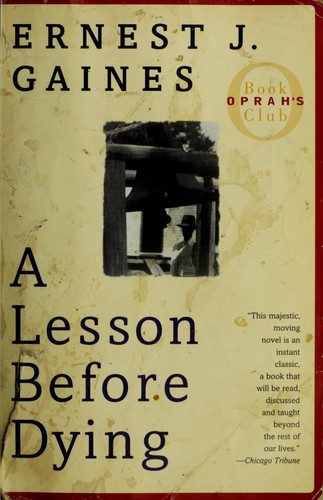 A Lesson Before DyingErnest J. Gaines · 750L
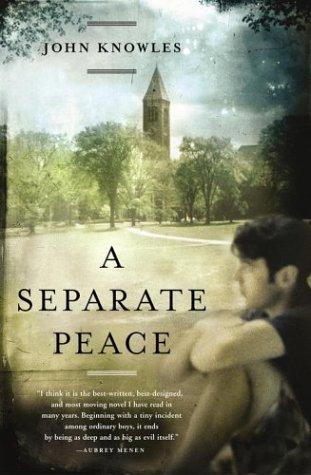 A Separate PeaceJohn Knowles · 1110L
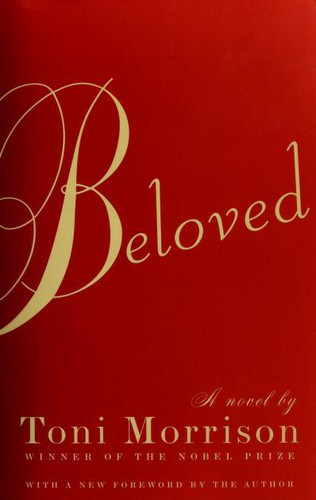 BelovedToni Morrison · 870L
- Bless Me, UltimaRudolfo AnayaBless Me, UltimaRudolfo Anaya · 840L
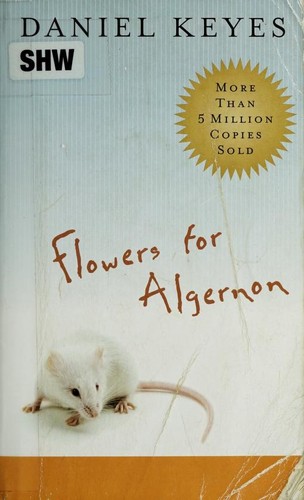 Flowers for AlgernonDaniel Keyes · 910L
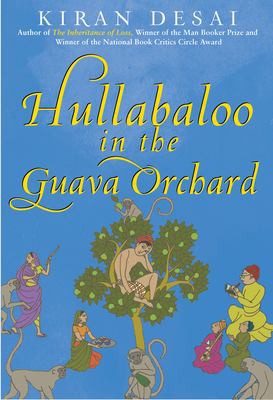 Hullabaloo in the Guava OrchardKiran Desai
 Invisible ManRalph Ellison · 950L
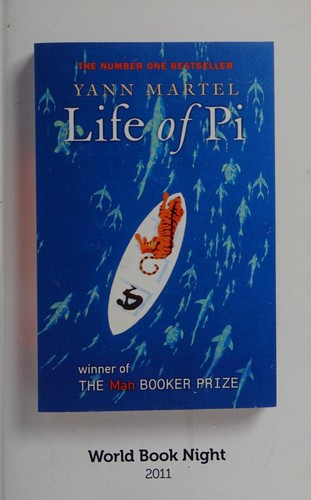 Life of PiYann Martel · 830L
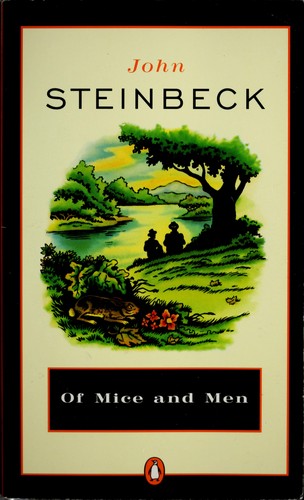 Of Mice and MenJohn Steinbeck · 630L
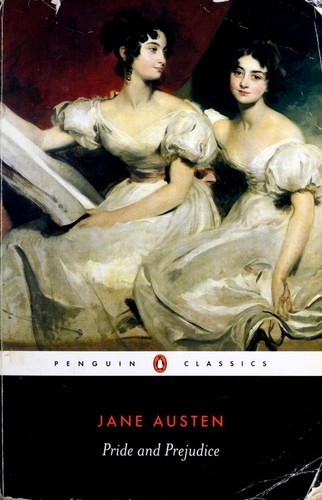 Pride and PrejudiceJane Austen · 1100L
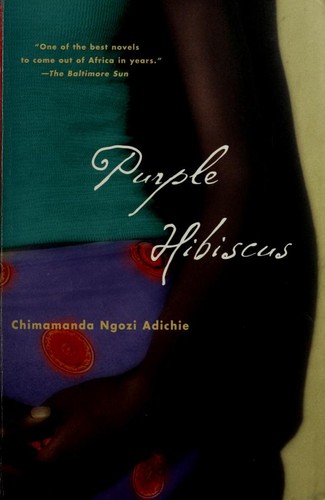 Purple HibiscusChimamanda Ngozi Adichie · 920L
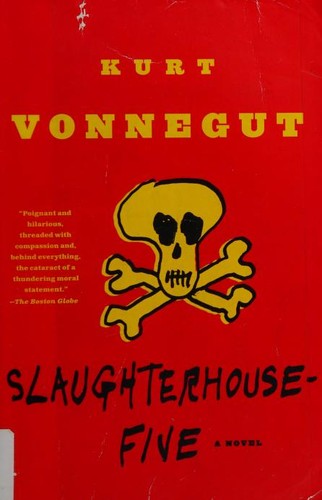 Slaughterhouse-FiveKurt Vonnegut · 850L
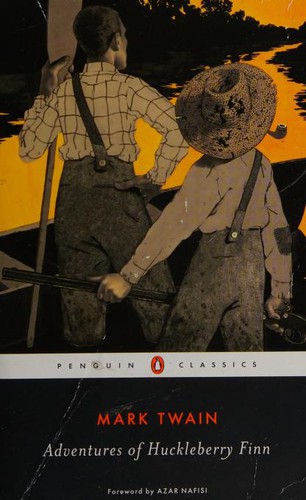 The Adventures of Huckleberry FinnMark Twain · 980L
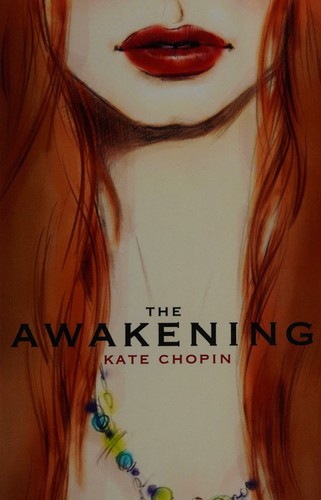 The AwakeningKate Chopin · 960L
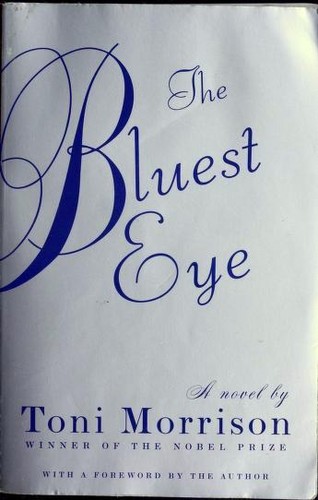 The Bluest EyeToni Morrison · 920L
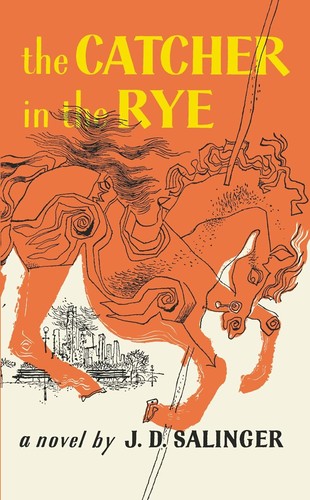 The Catcher in the RyeJ.D. Salinger · 790L
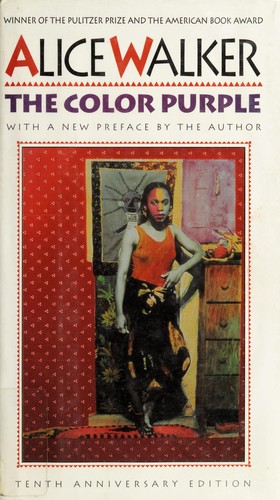 The Color PurpleAlice Walker · 670L
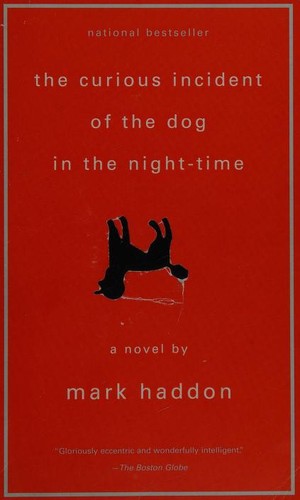 The Curious Incident of the Dog in the Night-TimeMark Haddon · 1090L
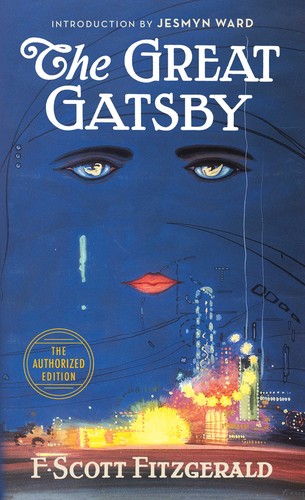 The Great GatsbyF. Scott Fitzgerald · 1070L
 The Joy Luck ClubAmy Tan · 930L
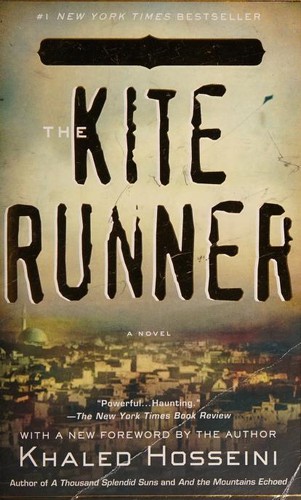 The Kite RunnerKhaled Hosseini · 840L
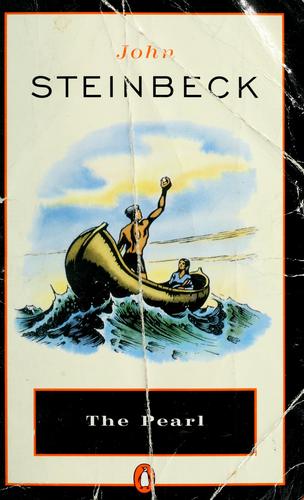 The PearlJohn Steinbeck · 1010L
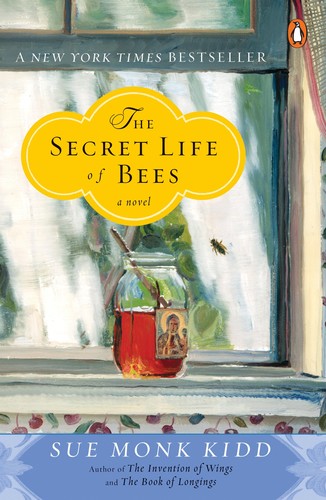 The Secret Life of BeesSue Monk Kidd · 840L
 Their Eyes Were Watching GodZora Neale Hurston · 1080L
Show all 26 titles
As an Amazon Associate we earn from qualifying purchases.
- Things Fall Apart · Chinua Achebe
- To Kill a Mockingbird · Harper Lee
How Literary Fiction fits US school reading lists
Literary Fiction appears in 26 titles across the US-school assigned-reading canon ReadingList tracks. The genre is assigned across grades 6 through 12, with Lexile measures spanning 630L to 1110L. Literary Fiction occupies a specific pedagogical slot in US ELA standards: state frameworks pair the genre with reading-skill anchors that the form is structurally well-suited to teach — Common Core's RL.3 (character development) and RL.5 (structure of texts) tasks lean on Literary Fiction conventions, and AP English Literature's free-response prompts regularly draw on works of Literary Fiction as exemplar texts.
Within US schools, Literary Fiction is taught with explicit attention to genre conventions: students are expected to identify the genre's defining structural moves, the standard narrative or rhetorical patterns Literary Fiction follows, and the way authors either honor or subvert those patterns. Common themes across Literary Fiction titles in this corpus include identity, family, coming of age, themes that recur because the genre's structural conventions naturally surface them. For teachers assembling a thematic unit, this means a Literary Fiction text usually slots into the curriculum at a particular skill-targeting moment — not interchangeably with texts from other genres.
Authors whose Literary Fiction work appears most frequently in US-school canons include John Steinbeck, Toni Morrison, Jane Austen. Each works in Literary Fiction with a distinct voice and structural emphasis — meaning the corpus is not a single uniform reading experience but a range of approaches to the form. Students moving through Literary Fiction titles across grade levels typically encounter the genre's most accessible exemplars in middle school (focused plots, clear character arcs) and its most demanding exemplars in AP and IB courses (multiple narrators, period-specific vocabulary, sustained ambiguity).
Common questions
- How many Literary Fiction books do US schools assign?
- 26 books classified as Literary Fiction appear across the curricula and state ELA standards tracked by ReadingList. Each is cited from a state department of education, AP/IB syllabus, Common Core exemplar list, or peer-reviewed source.
- What's the Lexile range for Literary Fiction books?
- Lexile measures for Literary Fiction titles in this corpus range from 630L to 1110L. Books without a published Lexile (poetry, drama, picture books) are not included in this range.
- What grades read Literary Fiction?
- Books in the Literary Fiction genre are assigned across grades 6 through 12 in US schools tracked by ReadingList. Specific grade placements are listed on each book's detail page.
▸Embed this list on your site
Copy + paste this snippet into any school newsletter, classroom blog, library site, or homeschool resource page. The embed shows the top 12 titles and links back to the full list. Updates automatically when ReadingList’s data changes.
<iframe src="https://readinglist.school/embed/genre/literary-fiction" width="100%" height="540" style="border:1px solid rgba(0,0,0,0.1);border-radius:6px;max-width:640px" loading="lazy" title="Literary Fiction reading list — ReadingList.school"></iframe>Preview: /embed/genre/literary-fiction · License: CC BY 4.0 (please credit “ReadingList.school”).