Juvenile Fiction books assigned in US schools
US schools assign 140 books in the Juvenile Fiction genre, sourced from state ELA standards, AP/IB syllabi, and Common Core exemplar lists. Each title links to its grade range, Lexile, and the specific curricula citing it.
- Books on file
- 140
- Grade span
- K–12
Authors in this genre
Andrew Clements (2) · Beverly Cleary (2) · Chris Van Allsburg (2) · Mary Downing Hahn (2) · Susan Cooper (2) · Walter Dean Myers (2)
Juvenile Fiction by grade
Juvenile Fiction titles
Reading the whole Juvenile Fiction reading list? Kids who struggle with the print versions often finish the assigned books by listening.
Listen free on Audiblestarts instantlyNew members only · many assigned titles are included with the membership. As an Amazon Associate, ReadingList earns from qualifying purchases and membership trials at no extra cost to you.
Try it on audio — free. Kids who struggle with the print versions often finish the assigned books by listening.
Listen free on Audiblestarts instantlyNew members only · many assigned titles are included with the membership. As an Amazon Associate, ReadingList earns from qualifying purchases and membership trials at no extra cost to you.
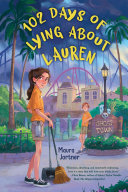 102 Days of Lying About LaurenMaura Jortner
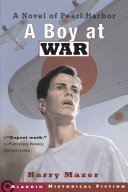 A Boy at WarHarry Mazer
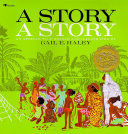 A Story, a StoryGail E. Haley
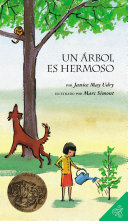 A Tree Is NiceJanice May Udry
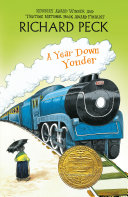 A Year Down YonderRichard Peck
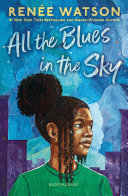 All the Blues in the SkyRenée Watson
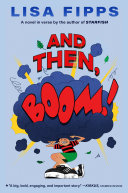 And Then, Boom!Lisa Fipps
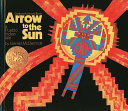 Arrow to the SunGerald McDermott
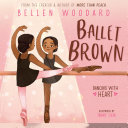 Ballet BrownBellen Woodard
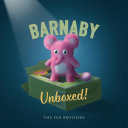 Barnaby Unboxed!Terry Fan
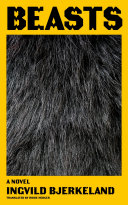 BeastsIngvild Bjerkeland
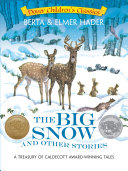 Big Snow and Other StoriesHader, Berta and Elmer
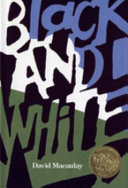 Black and WhiteDavid Macaulay
 Bones on Black Spruce MountainDavid Budbill
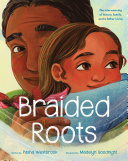 Braided RootsPasha Westbrook
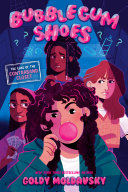 Bubblegum Shoes: The Case of the Contraband ClosetGoldy Moldavsky
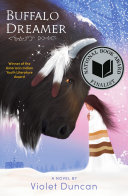 Buffalo DreamerViolet Duncan
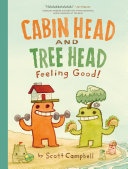 Cabin Head and Tree HeadScott Campbell
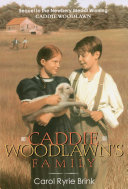 Caddie Woodlawn's FamilyCarol Ryrie Brink
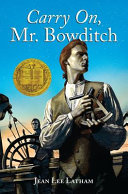 Carry On, Mr. BowditchJean Lee Latham
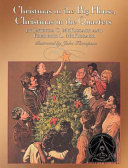 Christmas in the Big House, Christmas in the QuartersPat McKissack
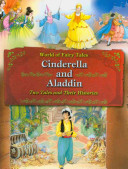 Cinderella and AladdinCarron Brown
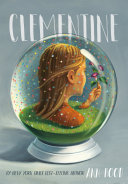 ClementineAnn Hood
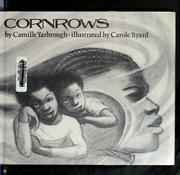 CornrowsCamille Yarbrough
Show all 140 titles
As an Amazon Associate we earn from qualifying purchases.
- Crispin: The Cross of Lead · Avi · Buy →
- Criss Cross · Lynne Rae Perkins · Buy →
- Detective Sweet Pea: The Case of the Golden Bone · Sara Varon · Buy →
- Dicey's Song · Cynthia Voigt · Buy →
- Don't Trust Fish · Neil Sharpson · Buy →
- Donuthead · Sue Stauffacher · Buy →
- Dork in Disguise · Carol Gorman · Buy →
- Drummer Hoff · Barbara Emberley · Buy →
- Duffy and the Devil · Harve Zemach · Buy →
- Earl & Worm: The Bad Idea and Other Stories · Greg Pizzoli · Buy →
- Eb & Flow · Kelly J. Baptist · Buy →
- Fables · Arnold Lobel · Buy →
- Fallen Angels · Walter Dean Myers · Buy →
- Fifteen · Beverly Cleary · Buy →
- Firebird · Misty Copeland · Buy →
- Gay Neck, The Story of a Pigeon & Ghond The Hunter · Dhan Gopal Mukerji · Buy →
- Ginger Pye · Eleanor Estes · Buy →
- Goin' Someplace Special · Patricia C. McKissack · Buy →
- Golem · David Wisniewski · Buy →
- Gone Wolf · Amber McBride · Buy →
- Half Moon Summer · Elaine Vickers · Buy →
- Half a Moon and One Whole Star · Crescent Dragonwagon · Buy →
- Hitty Her First Hundred Years · Rachel Field · Buy →
- Home in a Lunchbox · Cherry Mo · Buy →
- How to Talk to Your Succulent · Zoe Persico · Buy →
- I'm Sorry You Got Mad · Kyle Lukoff · Buy →
- It's All or Nothing, Vale · Andrea Beatriz Arango · Buy →
- It's Boba Time for Pearl Li! · Nicole Chen · Buy →
- It's Like This Cat · Emily Neville · Buy →
- Jacob Have I Loved · Katherine Paterson · Buy →
- Jennifer Murdley's Toad · Bruce Coville · Buy →
- Johnny Tremain · Esther Hoskins Forbes · Buy →
- Joseph Had a Little Overcoat · Simms Taback · Buy →
- Jumanji · Chris Van Allsburg · Buy →
- Kavik the Wolf Dog · Walt Morey · Buy →
- Kid Power · Susan Beth Pfeffer · Buy →
- King of the Wind · Marguerite Henry · Buy →
- Land of Broken Promises · Jane Kuo · Buy →
- Landry News · Andrew Clements · Buy →
- Lasagna Means I Love You · Kate O'Shaughnessy · Buy →
- Let the Circle Be Unbroken · Mildred D. Taylor · Buy →
- Little Shrew · Akiko Miyakoshi · Buy →
- Lon Po Po · Ed Young · Buy →
- Madeline's Rescue · Ludwig Bemelmans · Buy →
- Max in the House of Spies: A Tale of World War II · Adam Gidwitz · Buy →
- Miracle's Boys · Jacqueline Woodson · Buy →
- Miracles on Maple Hill · Virginia Sorensen · Buy →
- Mirette on the High Wire · Emily Arnold McCully · Buy →
- Miss Hickory · Carolyn Sherwin Bailey · Buy →
- My Daddy Is a Cowboy · Stephanie Seales · Buy →
- NERDS: National Espionage, Rescue, and Defense Society · Michael Buckley · Buy →
- Nine Days to Christmas · Marie Hall Ets · Buy →
- Noah's Ark · Peter Spier · Buy →
- Officer Buckle and Gloria · Peggy Rathmann · Buy →
- Once a Mouse... · Marcia Brown · Buy →
- One Fine Day · Nonny Hogrogian · Buy →
- Onion John · Joseph Krumgold · Buy →
- Owl Moon · Jane Yolen · Buy →
- Plain Jane and the Mermaid · Vera Brosgol · Buy →
- Pocket Bear · Katherine Applegate · Buy →
- Ramona the Brave · Beverly Cleary · Buy →
- Ruptured · Joanne Rossmassler Fritz · Buy →
- Secret of the Andes · Ann Nolan Clark · Buy →
- Shadow of a Bull · Maia Wojciechowska · Buy →
- Slam · Walter Dean Myers · Buy →
- Song and Dance Man · Karen Ackerman · Buy →
- Song of the Swallows · Leo Politi · Buy →
- Standing in the Need of Prayer · Carole Boston Weatherford · Buy →
- Steve, a Rare Egg · Kelly Collier · Buy →
- Strawberry Girl · Lois Lenski · Buy →
- Sylvester and the Magic Pebble · William Steig · Buy →
- Tagging Freedom · Rhonda Roumani · Buy →
- Tales from Silver Lands · Charles J. Finger · Buy →
- The Bakery Dragon · Devin Elle Kurtz · Buy →
- The Boggart and the Monster · Susan Cooper · Buy →
- The Castle in the Attic (35th Anniversary Edition) · Elizabeth Winthrop · Buy →
- The Cat Who Went to Heaven · Elizabeth Coatsworth · Buy →
- The Curse of Eelgrass Bog · Mary Averling · Buy →
- The Dark-Thirty · Patricia McKissack · Buy →
- The Doll in the Garden · Mary Downing Hahn · Buy →
- The Egg Tree · Katherine Milhous · Buy →
- The Experiment · Rebecca Stead · Buy →
- The Fire-Breathing Duckling · Frank Cammuso · Buy →
- The Funny Little Woman · Arlene Mosel · Buy →
- The Ghost Sitter · Peni R. Griffin · Buy →
- The Girl Who Loved Wild Horses · Paul Goble · Buy →
- The Girl with the Silver Eyes · Willo Davis Roberts · Buy →
- The Grey King · Susan Cooper · Buy →
- The Hand-Me-Down Kid · Francine Pascal · Buy →
- The High King · Lloyd Alexander · Buy →
- The Lion & the Mouse · Jerry Pinkney · Buy →
- The Little House · Virginia Lee Burton · Buy →
- The Little Island · Margaret Wise Brown · Buy →
- The Man Who Loved Clowns · June Rae Wood · Buy →
- The Mystery of Locked Rooms · Lindsay Currie · Buy →
- The One About the Blackbird · Melanie Florence · Buy →
- The People Could Fly · Virginia Hamilton · Buy →
- The Polar Express · Chris Van Allsburg · Buy →
- The Report Card · Andrew Clements · Buy →
- The Rooster Crows · Maud Petersham · Buy →
- The Toothpaste Millionaire · Jean Merrill · Buy →
- The Trouble with Heroes · Kate Messner · Buy →
- The Trumpeter of Krakow · Eric P (Eric Philbrook) Kelly · Buy →
- The Twenty-One Balloons · William Pene du Bois · Buy →
- The View from Saturday · E. L. Konigsburg · Buy →
- Thimble Summer · Elizabeth Enright · Buy →
- Time for Andrew · Mary Downing Hahn · Buy →
- Towed by Toad · Jashar Awan · Buy →
- Tuck Everlasting: The Graphic Novel · Natalie Babbitt · Buy →
- Tuesday · David Wiesner · Buy →
- Viewfinder · Christine D.U. Chung · Buy →
- We Are Definitely Human · X. Fang · Buy →
- Where It Stops, Nobody Knows · Amy Ehrlich · Buy →
- White Bird: A Wonder Story (A Graphic Novel) · R. J. Palacio · Buy →
- White Snow, Bright Snow · Alvin Tresselt · Buy →
- Zooni Tales: Keep It Up, Plucky Pup · Vikram Madan · Buy →
How Juvenile Fiction fits US school reading lists
Juvenile Fiction appears in 140 titles across the US-school assigned-reading canon ReadingList tracks. The genre is assigned across grades K through 12, with Lexile measures spanning the standard Lexile bands. Juvenile Fiction occupies a specific pedagogical slot in US ELA standards: state frameworks pair the genre with reading-skill anchors that the form is structurally well-suited to teach — Common Core's RL.3 (character development) and RL.5 (structure of texts) tasks lean on Juvenile Fiction conventions, and AP English Literature's free-response prompts regularly draw on works of Juvenile Fiction as exemplar texts.
Within US schools, Juvenile Fiction is taught with explicit attention to genre conventions: students are expected to identify the genre's defining structural moves, the standard narrative or rhetorical patterns Juvenile Fiction follows, and the way authors either honor or subvert those patterns. Each Juvenile Fiction title approaches its thematic material through the genre's specific structural conventions. For teachers assembling a thematic unit, this means a Juvenile Fiction text usually slots into the curriculum at a particular skill-targeting moment — not interchangeably with texts from other genres.
Authors whose Juvenile Fiction work appears most frequently in US-school canons include Andrew Clements, Beverly Cleary, Chris Van Allsburg. Each works in Juvenile Fiction with a distinct voice and structural emphasis — meaning the corpus is not a single uniform reading experience but a range of approaches to the form. Students moving through Juvenile Fiction titles across grade levels typically encounter the genre's most accessible exemplars in middle school (focused plots, clear character arcs) and its most demanding exemplars in AP and IB courses (multiple narrators, period-specific vocabulary, sustained ambiguity).
Common questions
- How many Juvenile Fiction books do US schools assign?
- 140 books classified as Juvenile Fiction appear across the curricula and state ELA standards tracked by ReadingList. Each is cited from a state department of education, AP/IB syllabus, Common Core exemplar list, or peer-reviewed source.
- What grades read Juvenile Fiction?
- Books in the Juvenile Fiction genre are assigned across grades K through 12 in US schools tracked by ReadingList. Specific grade placements are listed on each book's detail page.
▸Embed this list on your site
Copy + paste this snippet into any school newsletter, classroom blog, library site, or homeschool resource page. The embed shows the top 12 titles and links back to the full list. Updates automatically when ReadingList’s data changes.
<iframe src="https://readinglist.school/embed/genre/juvenile-fiction" width="100%" height="540" style="border:1px solid rgba(0,0,0,0.1);border-radius:6px;max-width:640px" loading="lazy" title="Juvenile Fiction reading list — ReadingList.school"></iframe>Preview: /embed/genre/juvenile-fiction · License: CC BY 4.0 (please credit “ReadingList.school”).