Banned books in Oregon schools
10 titles reported as removed, restricted, or formally challenged by at least one Oregon school district. This is a state-aggregated view; the specific district and policy vary per title. See each book’s page for its full citation history.
Sources
PEN America’s Index of School Book Bans and the ALA most-challenged list. Oregon Department of Education: www.oregon.gov.
Best-documented removal in Oregon
Anger Is a Gift
Mark Oshiro · 1 district · restricted
Affiliate link: as an Amazon Associate, ReadingList earns from qualifying purchases at no extra cost to you.
Try it on audio — free. Kids who struggle with the print versions often finish the assigned books by listening.
Listen free on Audiblestarts instantlyNew members only · many assigned titles are included with the membership. As an Amazon Associate, ReadingList earns from qualifying purchases and membership trials at no extra cost to you.
Each title below shows how far its removal actually reached. Most are decided by a single district and many are still under review, which is not the same as a statewide ban. For 1 of these 10 titles our source copy records the challenge but not the district detail; those are marked “district detail not recorded” rather than left blank, because a missing label is not evidence of a narrower ban.
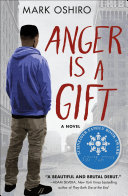 Anger Is a GiftMark Oshiro1 district · restricted
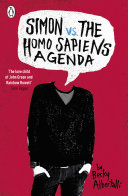 Simon vs. the Homo Sapiens AgendaBecky Albertalli1 district · restricted
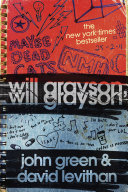 Will Grayson, Will GraysonJohn Green1 district · restricted
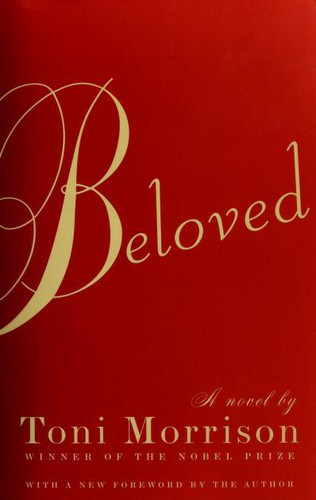 BelovedToni Morrison · 870L1 district · pending review
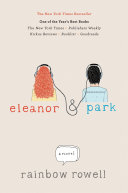 Eleanor & ParkRainbow Rowell1 district · pending review
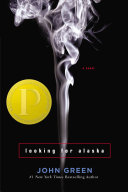 Looking for AlaskaJohn Green1 district · pending review
 The Bluest EyeToni Morrison · 920L1 district · pending review
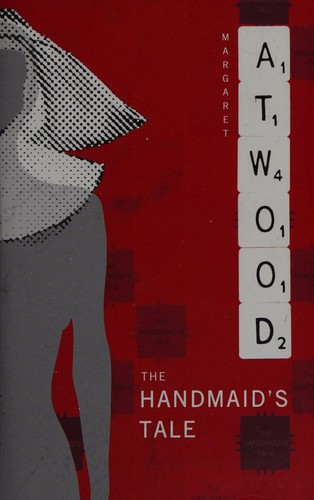 The Handmaid's TaleMargaret Atwood · 750L1 district · pending review
 The Perks of Being a WallflowerStephen Chbosky · 720L1 district · pending review
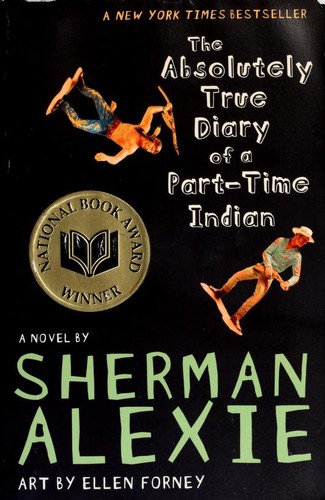 The Absolutely True Diary of a Part-Time IndianSherman Alexie · 600Ldistrict detail not recorded
How book challenges work in Oregon
Oregon has 10 titles on file as banned, restricted, or formally challenged by at least one Oregon public-school district in the public sources ReadingList aggregates from (PEN America's Index of School Book Bans and the American Library Association's Office for Intellectual Freedom most-challenged list). These tracked numbers represent FORMAL challenges that reached district board minutes, ALA OIF reporting, or PEN America's quarterly index — quieter classroom-level removals that never reached those national trackers are not captured here, so the actual scope of restriction in Oregon is plausibly larger than this list reflects.
Book challenges in Oregon typically follow a layered process: a parent, board member, or community member files a written request for reconsideration of an assigned title with a specific school or district; the district convenes a review committee (usually comprising teachers, librarians, administrators, and sometimes parent representatives); the committee reads the book, evaluates it against the district's selection criteria and against Oregon ELA standards, holds at least one public comment session, and votes to retain, restrict (e.g., grade-level limits or parental consent), or remove the title from the approved curriculum. Decisions are typically appealable to the state board of education within a defined window.
Common challenge bases across the 10 Oregon titles tracked here mirror the national pattern: sexual content (most common), LGBTQ+ themes, race and racism, profanity or violence, religion and political content, and depictions of substance abuse. Tracked titles include: Anger Is a Gift; Simon vs. the Homo Sapiens Agenda; Will Grayson, Will Grayson. Each title's detail page lists the specific Oregon district that initiated the challenge, the date, and (when published) the formal challenge basis recorded in district minutes. For deeper context on national patterns, the linked PEN America and ALA pages publish quarterly and annual reports.
For parents, teachers, librarians, and students in Oregon navigating this landscape: the practical paths forward depend on role. Parents who object to a specific assigned title can typically request an alternative assignment from the teacher directly without initiating a formal challenge — most Oregon districts have informal opt-out paths well before the formal reconsideration process kicks in. Librarians and teachers facing pressure to remove a title can document the formal selection criteria the book met, gather student-reader testimonials (with FERPA-compliant consent), and align with the National Coalition Against Censorship for advisory support. Students directly affected by a book removal can speak at the school board meeting where the decision is reviewed — public comment is open to all Oregon district residents. Oregon's Department of Education publishes the formal procedural framework — the source link is in the sources block above.
Was this page helpful?