Guide
Reading log requirements by grade — a parent reference
5 min read
Most US elementary and middle schools require a daily or weekly reading log. Expectations vary by grade. Here's what your child's teacher is probably asking for, why, and how to make it stick without the nightly fight.
The reading log is the most common at-home homework in US elementary schools. It’s also the most variable. One teacher wants 20 minutes a day with a parent signature; the next wants a weekly summary and a one-sentence reflection per book. This page is what teachers usually want and why.
What teachers ask for, by grade
| Grade | Typical daily minimum | Log format | What counts |
|---|---|---|---|
| K | 10 min | Parent initials | Read-aloud, picture books |
| 1 | 10–15 min | Parent signature + title | Read-aloud + emerging independent |
| 2 | 15–20 min | Title + pages + minutes | Independent (read-aloud bonus) |
| 3 | 20 min | Title + minutes + brief comment | Independent only |
| 4–5 | 25–30 min | Title + chapter + 1-sentence reflection | Independent only |
| 6–8 | 30 min | Weekly summary + 1 reading response | Independent; some count audiobooks |
Ranges synthesized from public elementary curricula across California, Texas, New York, Massachusetts, and Florida district websites. Your child’s specific class may differ — the teacher’s weekly newsletter or syllabus is authoritative.
Why minutes matter
The 20-minutes-a-day target traces to a body of reading-volume research, most often summarized by the Anderson et al. (1988) finding: children who read 20 minutes a day outside of school score around the 90th percentile on standardized reading tests, while children who read 5 minutes a day score around the 50th. The effect is largest in the 0-to-20-minute range; above 30 minutes a day the curve flattens but stays positive.
For young children, the minutes-per-day metric is a proxy for cumulative exposure to vocabulary, syntax, and structure. A kindergartener who hears 15 minutes of read-aloud daily encounters several million more words by 1st grade than one who doesn’t.
What to do when it’s a fight
- Let them pick the book. If the teacher hasn’t assigned a specific title, choice is the single biggest predictor of whether the minutes happen. Graphic novels and series count.
- Read together for at least the first 5 minutes. Co-reading lowers the activation cost. Once they’re in, you can fade out.
- Lower the bar before raising it. 10 minutes a day every day beats 30 minutes twice a week. The pattern matters more than the per-session total.
- Email the teacher early if your child is stuck. Most teachers will adapt the log format or substitute activities for kids who are reading but struggling with the log itself.
What the log is actually for
For the teacher, it’s a low-effort signal: did this child read this week? Almost no teacher reads the log carefully. The log’s real purpose is for the household — it creates a nightly routine and a visible record of progress. A parent who keeps the log honestly will see in 3 months that their child has read 30 books, which is more durable evidence of reading than any quarterly test score.
Lists of books at the right grade level for your district are on each state page — pick a state, pick a grade, and your child has 20 to 40 teacher-recommended titles to choose from.
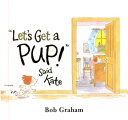
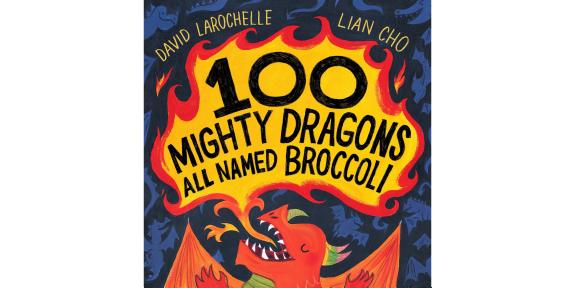
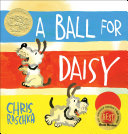
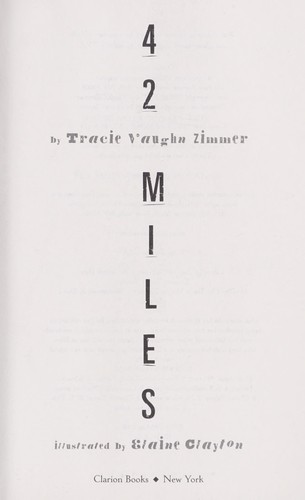
Example books at Grade 1


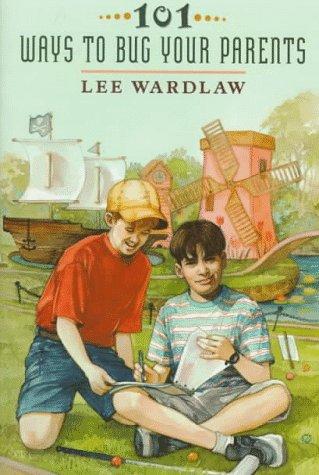
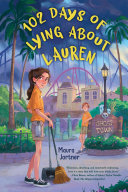
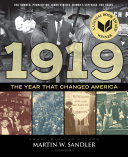
Example books at Grade 4



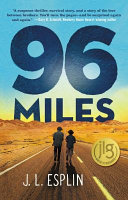
Example books at Grade 7

Common questions
- How many minutes a day should a 1st grader read?
- Most US 1st-grade classrooms ask for 10-15 minutes of at-home reading per day, logged with a parent signature. The Reading Is Fundamental nonprofit and most state DOE early-literacy frameworks cite the 15-minute floor for sustaining reading skill growth.
- Does being read TO count toward a reading log?
- In K-2, yes — almost every teacher counts read-alouds toward the log because vocabulary growth from a parent reading challenging text matters more than independent decoding at that age. From 3rd grade onward, most logs ask specifically for independent reading minutes; check the teacher's instructions.
- What if my child reads a graphic novel or audiobook?
- Most schools count graphic novels fully (they support fluency, vocabulary, and inferencing). Audiobooks vary: some districts count audiobook minutes as half-credit because the decoding work isn't there; others count them fully. Ask the teacher; do not assume.
- What's the research basis for 20 minutes a day?
- The widely-cited Anderson et al. (1988) reading-volume study found that children who read 20 minutes a day outside of school score in the 90th percentile on standardized reading tests; those reading 5 minutes a day score around the 50th. The effect size diminishes above ~30 min/day but stays positive.
- What happens if my child refuses to log reading?
- Almost no school grades the log as a primary score; it's almost always a participation or compliance check. Email the teacher describing what your child IS reading (titles + approximate minutes) and ask if that substitutes. Most teachers will accept any documented reading.
Sources
Related guides
- Building your child’s vocabulary — why it matters and how
Vocabulary is one of the strongest drivers of reading comprehension — you can’t fully understand a text full of words you don’t know. Here is how to grow your child’s word knowledge at home.
- Phonemic awareness explained (and how to build it)
Phonemic awareness is hearing and playing with the individual sounds in spoken words — no letters involved. It’s a foundation for phonics and one of the strongest early predictors of reading success.
- How to teach a child to read at home
Learning to read is built on five skills, in a rough order. Here is the calm, evidence-based at-home sequence — from reading aloud and playing with sounds to phonics, fluency, and comprehension — without the pressure.
- Phonics explained — and the phonics vs. whole-language debate
Phonics teaches children to read by the link between letters and sounds. Here is what it is, how systematic phonics differs from the old whole-language approach, and why it isn’t the whole story.
- Reading fluency — what it is and how to help your child build it
Fluency is the bridge between sounding words out and understanding them — reading smoothly, at a comfortable pace, with natural expression. Here is how to spot it and the methods that actually build it.